
A business trip can feel rushed before the flight even starts. Busy roads, tight plans, and flight changes can waste time. Finding a ride after landing may add more stress. Large bags and group travel can make things harder. Business guests need clear pickup plans from the very start.
A corporate car service makes airport travel simple and well planned. A skilled driver tracks the flight and meets each guest. The right car also gives enough room for people and bags. Companies can plan solo rides, guest pickups, or group trips. This guide covers booking, costs, car choices, and pickup steps. You will learn how to plan each airport ride with ease.
Business travel begins with timing, clear plans, and firm trip details. A corporate car service gives companies planned rides between airports and destinations. Unlike random ride requests, each trip follows a booked travel plan. This basic structure helps guests move directly toward their next stop.
A corporate airport car service provides a private car and chauffeur. The booking lists each airport, flight, pickup point, and final address. It may also include flight tracking, wait time, and bag help. Some plans offer curbside pickup or an inside terminal greeting. Both choices support direct door-to-door travel without shared stops.
The company first shares the passenger count and luggage needs. Staff also provide flight numbers, dates, times, and contact details. The provider then confirms the car class and pickup method. Before arrival, the chauffeur checks flight status and terminal details. After landing, the guest receives clear meeting or curbside steps. The chauffeur assists with bags and drives toward the booked address.
First-time users should confirm these key details before approving service:
A business airport transfer offers more control than last-minute ride searches. Companies know who booked the trip and which car arrives. Guests receive one confirmed route from the terminal to their destination. That process suits executives, clients, new hires, and visiting teams.
Corporate airport transportation can also support early flights and late arrivals. Flight tracking helps the pickup time follow the actual landing. Suitable cars provide enough seats and space for business luggage. Private cabins also give travelers time for calls or quiet work.
Companies should reserve service once flight and meeting plans become firm. Early booking gives more choice among sedans, SUVs, and vans. It also helps providers plan group pickups or separate flight arrivals. Major events and busy travel dates may reduce vehicle choice.
A corporate airport transfer booking works well for several common trips. These include client visits, board meetings, trade shows, and team events. It also fits airport-to-hotel rides before an early business meeting. Return service can collect travelers from offices, hotels, or event sites.
A corporate airport transfer service focuses on planned business travel needs. It connects flight data, traveler details, ground timing, and company records. Regular ride apps often begin only after someone requests transportation. A booked provider starts planning before the traveler reaches the airport.
The best option depends on group size and trip purpose. Solo guests may prefer sedans, while teams often need larger vehicles. Travel managers should compare rates, support hours, and wait rules. They should also confirm licenses, insurance, and chauffeur screening standards. Those checks make each airport transfer easier to plan and track.
This corporate airport transfer guide gives the basis for later choices. Next steps include comparing vehicles, costs, accounts, and pickup styles. Understanding these basics helps companies book each trip with greater confidence.

Busy travel days can place added strain on business guests. A corporate car service gives each trip more order and care. The ride follows booked details instead of starting after the flight. This plan helps travelers focus on meetings rather than ground travel.
Time matters when a traveler has meetings soon after landing. A pre-booked car removes the need for airport ride searches. The chauffeur follows the planned pickup time and chosen airport location. Travelers can leave the terminal once the pickup steps are complete.
Flight tracking adds more value when arrival times suddenly change. The team checks early landings, delays, and updated terminal details. This step helps the chauffeur follow the latest flight status. It also reduces long waits caused by old arrival times.
Frequent travelers value several time-based benefits during airport trips:
Business guests often carry laptops, work bags, and large suitcases. A suitable vehicle provides enough room for each travel item. Sedans work well for solo guests carrying light business luggage. SUVs and vans can serve teams with more bags.
A private cabin also gives travelers space between busy tasks. They may review notes or make calls during the ride. Quiet travel can help guests prepare before meeting a client. Climate control and clean seating also support a pleasant trip.
A skilled chauffeur adds care beyond simply driving the car. The chauffeur confirms pickup details and follows the booked travel plan. Clear contact helps the passenger find the correct airport meeting point. This service feels more personal than a general transport request.
Meet-and-greet service can help guests at an unfamiliar airport. The chauffeur waits inside with a name sign when booked. Luggage help also makes terminal exits easier for busy travelers. These features suit executives, clients, speakers, and overseas business guests.
Price changes can make travel costs harder for companies to track. Many booking services provide the rate before confirming each airport trip. This approach may avoid surge rates linked with high local demand. However, companies should review tolls, parking, wait time, and tips.
Clear trip records can also support reports and staff expense claims. Companies know the route, traveler, vehicle, and agreed service type. Frequent bookings may fit one account with monthly billing options. Such records give travel teams a better view of ride costs.
Regular business guests often repeat similar airport routes each month. Stored trip details can make future booking faster and easier. Companies may also request the same vehicle class when available. This creates a steady travel standard for staff and visiting clients.
Planned airport rides also serve early departures and late arrivals. Support teams can manage changes before the traveler reaches pickup. That help becomes useful during long trips or packed work weeks. Travelers receive one direct ride without sharing space with strangers.
Standard airport transport can work well for many simple trips. Business travel often needs closer timing, clear records, and added support. Planned service connects the flight, passenger, chauffeur, and final address. That link creates a smoother airport travel experience for every guest.
The main benefits include saved time, comfort, privacy, and clear costs. Professional care also helps companies welcome clients with greater confidence. For frequent travelers, these gains can make each booking worthwhile. The right provider should match company needs without adding needless extras.
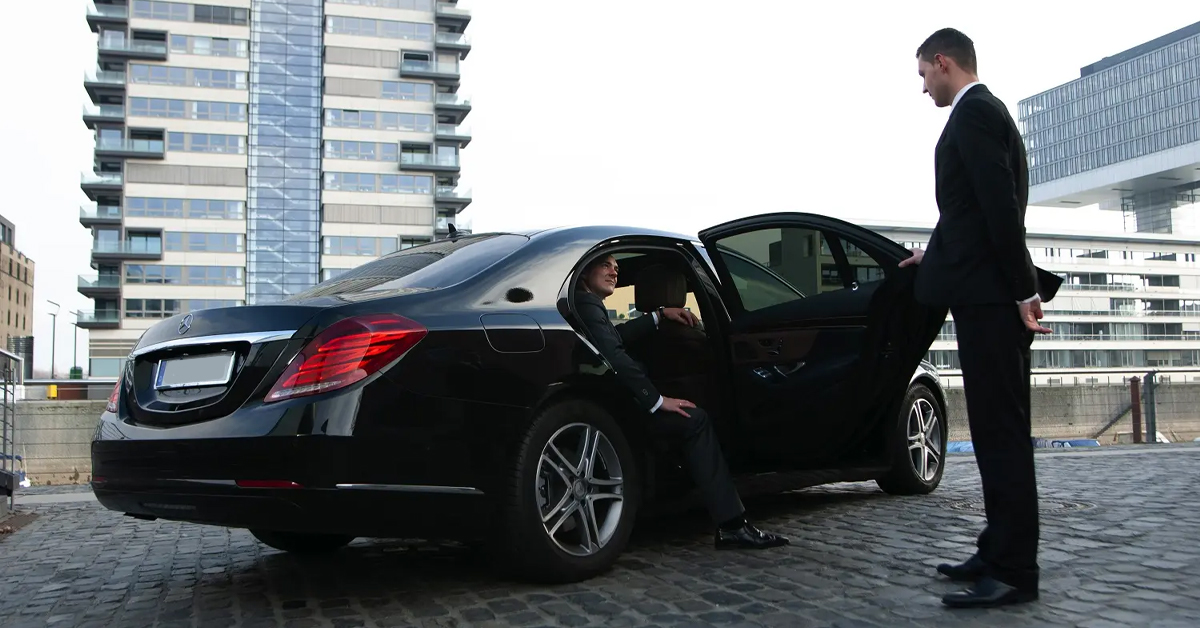
Choosing airport transport involves more than finding the lowest listed fare. Business travelers also need clear timing, privacy, records, and support. Each option serves a different need, schedule, and travel budget. The right choice depends on control, group size, and trip purpose.
Travel Option | Booking Style | Privacy | Main Business Use |
Corporate service | Reserved before travel | Private ride | Executives, clients, and teams |
Taxi | Airport line or phone request | Private ride | Short and simple local trips |
Rideshare | App request | Private ride | Flexible trips without added support |
Airport shuttle | Set route or shared booking | Shared space | Solo guests with flexible schedules |
Rental car | Desk or online booking | Private vehicle | Multi-day trips with many local stops |
Taxis can work well when travelers need a quick local ride. Many airports provide taxi lines near the main arrival doors. However, vehicle size and service style may vary by driver. Travelers may also wait during busy flight arrival periods.
A booked business ride confirms the pickup before the flight begins. Companies can request a fitting car class and meeting method. The driver also receives the flight, terminal, and final address. This setup provides more control for guests with firm schedules.
Uber and Lyft offer fast app booking in many cities. Their broad driver networks suit short trips with flexible timing. Prices may change during busy periods, large events, or bad weather. Vehicle quality and luggage space can also differ between rides.
A planned airport transfer may include flight checks and added wait time. Guests can receive chauffeur details before leaving the airport terminal. Companies may also gain clear receipts and one booking contact. These points help assistants manage trips for executives and visiting clients.
Shared shuttles often cost less than private airport transportation. They may serve hotels, parking sites, or fixed city stops. Yet shared routes can include several passenger pickups and drop-offs. Those stops may extend travel time before an important meeting.
Private rides travel from the airport toward one booked address. They also give guests more space for calls or quiet work. Teams can remain together without sharing seats with other travelers. This added privacy often matters during active business trips.
Rental cars give travelers control after leaving the airport. They may suit long stays with many changing local stops. However, guests must collect keys and find the rental vehicle. They also manage fuel, tolls, parking, and return times.
A chauffeur-driven ride removes those driving and parking tasks. Travelers can review notes while someone else handles the route. This option works well for airport-to-hotel or airport-to-office trips. Rental cars may offer better value for long independent stays.
Black car service usually describes a private premium vehicle and driver. Corporate service describes how companies book, manage, and record business rides. The two services can overlap within the same travel company. However, every black car booking may not include business account tools.
Corporate programs may offer monthly bills, trip records, and account support. They may also handle repeat bookings and several passenger names. Companies should ask which account features come with each reservation. Clear answers prevent confusion between vehicle style and business travel support.
No single travel option fits every company trip or budget. Taxis and rideshare apps work for simple trips with flexible plans. Shuttles suit travelers who accept shared routes and added stops. Rental cars fit longer visits requiring many local drives.
Booked business transport offers stronger control for firm airport schedules. It also supports guest care, privacy, luggage needs, and clear records. Companies should compare full costs instead of base fares alone. The final choice should match timing, service needs, and traveler roles.

Executive travel often links flights with meetings, offices, and company events. Small timing issues can affect several plans during one business day. Leaders need ground travel that follows the full work schedule. A booked airport ride gives each trip more structure and support.
Executives often land shortly before an office visit or meeting. Their driver receives the flight number and planned arrival details. Flight checks help the pickup follow early or delayed landings. This link reduces time spent finding transport after leaving baggage claim.
Direct service also removes added stops between the airport and destination. The passenger travels toward one office, hotel, or meeting site. Assistants can share new details when the business plan changes. This support helps leaders manage packed schedules with fewer travel tasks.
Airport travel can become work time with the right vehicle. A quiet cabin gives executives space to read meeting notes. They may also answer email or review files before arrival. Some vehicles offer Wi-Fi, chargers, and rear workspace.
Private travel also helps when calls include company or client details. Passengers avoid sharing the cabin with unknown shuttle guests. However, travelers should confirm Wi-Fi and cabin features before booking. Vehicle tools can vary by car class and local provider.
The most useful work features often include these simple items:
Meeting travel may involve airports, hotels, offices, and event halls. One provider can plan these rides as one linked schedule. This approach helps when several staff members arrive on separate flights. It also supports guest speakers, clients, and senior company leaders.
Conference transportation may require sedans, SUVs, vans, or several vehicles. The booking team should match each car with passengers and bags. Clear passenger names also help chauffeurs greet the correct business guests. Group plans should include terminal details and separate arrival times.
After the airport transfer, hourly service may support several meeting stops. The same chauffeur can remain available during the booked time. This option works well for roadshows and back-to-back client visits. Companies should review hourly minimums before choosing this service type.
CEO travel often requires privacy, clear contact, and careful trip planning. VIP guests may also expect help with bags and terminal pickup. Meet-and-greet service can welcome them inside the airport when booked. A name sign helps guests find their chauffeur after arrival.
Vehicle choice also shapes the executive airport transfer experience. Sedans fit solo leaders traveling with a small luggage count. SUVs suit extra bags, support staff, or added cabin room. Vans can keep a work team together during group travel.
Transportation often forms a guest’s first view of the host company. A clean vehicle and skilled chauffeur create a polished welcome. Clear pickup messages also show care before the meeting begins. This matters when companies host investors, clients, or new partners.
Arrival planning also helps guests reach meetings calm and prepared. The ride should allow enough time for likely road delays. Companies should avoid claims about guaranteed arrival times without written terms. Airport conditions and road events can still affect any travel plan.
Good travel planning protects time that executives can use elsewhere. Assistants spend less time solving pickup and vehicle issues. Travelers can focus on work instead of driving or parking. Companies also gain clearer records for each business airport trip.
The best plan connects flights, meetings, vehicle needs, and guest roles. It should also include support contacts for changes during travel. This complete view turns airport transport into a useful business tool. Executives gain time, privacy, comfort, and stronger schedule control.

Airports can feel confusing after a long or delayed flight. Travelers must collect bags, find exits, and locate their booked ride. Clear pickup plans remove much of that work after landing. They also help guests move from the terminal without needless delay.
Meet-and-greet service places the chauffeur inside the airport terminal. The driver usually waits near baggage claim with a name sign. This option helps first-time visitors and guests using large airports. It also supports executives who prefer a direct personal welcome.
The chauffeur can guide the traveler toward the parked vehicle. Luggage help may also form part of the booked service. Companies should confirm where the greeting point will be located. Airport rules may change the allowed meeting place between terminals.
International guests may need more time for customs and bag checks. Booking teams should share the traveler’s mobile number before arrival. Clear contact lets both sides manage added airport wait time. Companies should also review charges for waits beyond included limits.
Curbside pickup offers a faster option for guests knowing the airport. The chauffeur waits nearby until the traveler reaches the correct door. Dispatch may send the car after the passenger confirms readiness. This method limits parking time and keeps the pickup area moving.
A clear airport pickup normally follows these simple steps:
Travelers should avoid leaving the terminal before receiving clear directions. Large airports may use numbered doors, zones, levels, or colored signs. Sharing the exact location helps the chauffeur find the passenger faster. It also prevents confusion between arrival and departure lanes.
Flight schedules can change several times during one travel day. Real-time checks show whether a flight lands early or late. The provider can then adjust the planned airport pickup time. This reduces waiting caused by using the first listed schedule.
Flight tracking does not solve every delay at the airport. Customs, baggage service, and terminal walks may still take longer. Travelers should contact dispatch when these steps cause added waiting. Good contact works with flight data for better pickup timing.
Connecting flights also require care during tight or changed schedules. A missed connection may change both arrival time and flight number. The booking contact should send new flight details once confirmed. Dispatch can then update the chauffeur and airport meeting plan.
Early flights often require home or hotel pickup before sunrise. Booking in advance gives the provider time to plan staffing. Travelers should confirm pickup time, airline, terminal, and luggage count. They should also allow time for check-in and airport screening.
Late-night arrivals need clear contact after normal business hours. Companies should confirm whether live support remains available overnight. The chauffeur should receive the actual flight details before departure. This helps avoid using an old arrival time after changes.
Door-to-door service connects the airport with one booked final address. Travelers avoid shared stops before reaching hotels, offices, or homes. The chauffeur handles the route while guests rest or work. This direct format also helps after tiring long-haul flights.
Departure service begins at the traveler’s chosen pickup location. The booking should include building access notes and exact meeting points. Hotel guests may meet near the lobby or main entrance. Office pickups may require floor, gate, or reception desk details.
The full airport experience depends on timing, contact, and clear instructions. Meet-and-greet service suits guests needing more terminal help. Curbside pickup suits travelers seeking a faster terminal exit. Both methods support a calm airport transfer when booked with care.

Luxury airport travel should offer more than a costly vehicle. Business guests need comfort that supports rest, work, and clear thinking. Every feature should serve a real need during the trip. The full experience begins before pickup and continues through arrival.
Executive vehicles may offer several useful cabin features for business travel. However, exact items can vary by provider and vehicle class. Companies should confirm all needed features before approving the reservation.
Common premium features may include these practical cabin options:
These details should never replace good timing or skilled service. A luxury cabin still needs clear pickup plans and clean seating. The car should also provide enough room for every traveler. Large luggage counts may require an SUV instead of a sedan.
A premium sedan often suits one executive or business couple. It provides a quiet cabin with suitable space for light luggage. Sedans also present a polished look for client and leader pickups. Their smaller size can work well within busy city streets.
A luxury SUV offers more space for people and bags. It can serve executives traveling with staff or additional work items. Taller seating may also provide easier entry for some guests. Companies should compare actual seats and luggage limits before booking.
Vehicle photos can help, but capacity details matter much more. One large suitcase may use space needed for several small bags. Accurate luggage counts help staff assign the most fitting vehicle. This step protects comfort during the full airport transfer.
Business travelers may arrive after several hours inside an aircraft. A calm ride gives them time to rest before meetings. Quiet cabins also support private calls and last-minute work reviews. Good seating becomes more useful during long airport-to-city routes.
Comfort also depends on driving style and cabin care. A trained chauffeur should drive calmly and follow the planned route. The interior should feel clean, fresh, and ready for guests. Music, cabin temperature, and stops should follow passenger requests.
Privacy adds value when travelers discuss company or client matters. Shared shuttles cannot offer the same private cabin setting. Executives may review files without sitting beside unknown passengers. This space turns travel time into useful personal or work time.
International guests often face long flights, customs, and heavy luggage. They may also arrive in a city they have never visited. Meet-and-greet service can provide a clear contact after customs. A name sign helps the guest find the chauffeur quickly.
The booking should include the full international flight number. Staff should also know whether the guest needs terminal help. Longer wait limits may matter because customs times often vary. Companies should ask how added waiting affects the final rate.
Clear written pickup steps can help guests with limited local knowledge. Messages should state the terminal, level, door, and contact number. The chauffeur should also confirm the final hotel or office address. These details create a more welcoming executive airport transfer experience.
Premium service starts when staff first review the trip request. The provider should ask about travelers, bags, timing, and cabin needs. Clear rates and service terms should follow before payment or approval. This care shows whether the full trip received proper thought.
During pickup, the chauffeur should arrive in the confirmed vehicle class. Professional dress and polite contact support a strong business image. Luggage help and direct door-to-door travel complete the airport ride. Thoughtful service makes comfort useful rather than merely costly.
The strongest luxury experience combines comfort, privacy, space, and personal care. It also joins premium features with accurate booking and clear support. Business guests then receive a refined trip from terminal to destination. That balance creates real value for executives and international travelers.

Business travel now depends on faster booking and clearer trip data. Companies want airport rides that connect with modern work systems. Travelers also expect quick updates before pickup and after landing. These needs are changing how providers plan and manage each trip.
Mobile tools let travelers book and review airport rides quickly. Users may change pickup details without making several phone calls. Some apps also show chauffeur details and live vehicle locations. Text alerts can confirm booking, arrival, pickup, and trip completion.
Real-time tracking gives travelers more detail before the car arrives. Assistants may also follow an executive’s booked airport transfer status. This feature helps teams confirm whether the ride has started. However, tracking tools and access levels vary by provider.
Modern booking tools may offer these useful business travel features:
Cloud systems can keep booking data within one shared account. Staff may view upcoming rides, past trips, and traveler details. Approved users can book transport for staff or company guests. Finance teams may also review costs through the same system.
Some platforms link ground travel with company booking and expense tools. SAP Concur, for example, connects travel booking with spending records. Its tools also support company rules and staff expense tasks. SAP Concur shows how firms can manage travel within one platform.
Booking automation can also reduce repeated data entry for regular trips. Saved traveler details make airport reservations faster for office teams. Still, staff should review every flight number and final address. Automation works best when users check the information before approval.
Artificial intelligence may support schedule checks and vehicle assignment. Systems can compare flight times, traffic data, and driver schedules. They may then suggest pickup times or suitable vehicle classes. Human staff should still review changes involving complex executive plans.
AI tools should support decisions rather than replace personal service. A live support team remains useful during missed flights or changes. Travel managers should ask which tasks use automated systems. They should also learn how the provider protects company trip data.
Current business travel policies increasingly include modern tools and AI. However, access and policy clarity still differ between firms. GBTA research also notes continued gaps within company travel programs.
Trip data can show routes, car classes, wait time, and costs. Companies may use these records to review frequent airport travel. Reports can also show which teams book the most rides. This view helps managers shape future travel plans and budgets.
Good data should remain clear and easy to understand. Large reports provide little value without useful labels and filters. Companies should ask how long the provider stores trip records. They should also confirm who can view traveler and payment details.
Electric vehicles are becoming another choice within some premium fleets. They may support company goals for lower travel emissions. Yet range, charging access, and local supply still affect use. Businesses should confirm vehicle type instead of assuming electric service.
Fleet technology can also track care dates and vehicle status. Dispatch teams may use this data before assigning airport trips. New cabin tools may include better chargers and stronger Wi-Fi. Each added feature should support comfort, work, or trip control.
Self-driving airport rides are also entering selected United States markets. Waymo began limited SFO access through the Rental Car Center. Waymo plans wider airport access as local rules permit. However, chauffeur service remains important for greetings and luggage help.
Future airport programs will likely join booking, tracking, and expense data. Companies may gain one view of travelers, trips, and costs. Premium service will also focus more on digital access and choice. Yet skilled chauffeurs and live support will remain key parts.
Businesses should choose useful tools instead of chasing every new feature. The right system should fit company rules and traveler needs. Strong technology makes booking clearer while human care handles exceptions. That balance will guide the next stage of business airport travel.
Book at least 24 hours before most routine airport trips. Reserve earlier for groups, major events, holidays, or special vehicles whenever possible.
Provide the flight number so dispatch can follow updated arrival times. Customs and baggage delays may still require direct updates from travelers.
Pricing depends on distance, vehicle class, wait time, parking, and tolls. Ask whether the quote includes gratuity, airport fees, and added stops.
Meet-and-greet places the chauffeur inside baggage claim or another approved point. Curbside pickup sends the vehicle after the traveler confirms readiness.
Many providers offer company accounts with saved details and monthly bills. Available tools may include trip records, user access, and approved payment terms.