
A vineyard date should begin with excitement, not parking stress. Yet busy roads, tasting schedules, and driving duties can spoil romance. Couples may rush between stops instead of enjoying each shared moment. Even one late arrival can disturb the entire winery plan.
A private wine tour car service keeps the day calm. Your chauffeur handles routes, parking, timing, and the return journey. Meanwhile, you can enjoy tastings, scenery, conversation, and quiet comfort. This guide offers clear advice for planning a memorable couples’ escape.
Shared experiences often feel richer when neither partner has to watch the road. A private wine tour car service gives couples uninterrupted time together. They can admire vineyard views while someone else manages every turn. That simple freedom makes an ordinary date feel thoughtfully planned.
Driving creates pressure during tastings, especially across unfamiliar country roads. Parking delays can also shorten reservations and disturb a relaxed pace. A private driver manages directions, timing, and safe movement between vineyards. Both guests remain present instead of discussing maps or traffic.
Door-to-door service lets couples begin their outing without extra transfers. The chauffeur arrives at their home, hotel, or chosen meeting place. Afterward, the same vehicle provides a direct and comfortable return. This arrangement supports privacy while removing parking and pickup concerns.
Anniversaries feel more personal when each detail reflects shared preferences. Couples can request scenic routes, quiet cabins, or meaningful photo stops. A romantic wine tour chauffeur can also follow a planned dinner schedule. However, tasting bookings and celebration extras require separate confirmation beforehand.
Proposals need privacy, careful timing, and communication without spoiled surprises. One partner should share the plan privately with the transportation team. The driver can follow confirmed pickup times and approved stopping points. Vineyard staff must arrange proposal spaces, photography, or special table settings.
Valentine’s trips often occur during busy weekends and limited tasting hours. Early booking provides better vehicle choices and more suitable reservation times. Couples should compare indoor tastings, heated patios, and seasonal dining options. Weather buffers can protect the schedule when winter roads move slowly.
Honeymoon travelers may prefer slower journeys with fewer planned winery visits. Two tastings and a long lunch often create better conversations. A scenic drive or sunset stop adds variety without creating haste. Purchased bottles also need stable storage away from direct sunlight.
A balanced vineyard tour begins with each partner’s tastes and comfort. Discuss preferred wines, food needs, walking limits, and desired privacy. Then select nearby wineries offering different settings or tasting styles. Short travel distances leave more time for scenery and conversation.
Before paying, carefully request a written quote covering all expected charges. Review minimum hours, waiting time, gratuity, fuel, and possible overtime. Confirm whether the company books tastings or only plans transportation. Also verify licensing, insurance, vehicle details, and cancellation terms.
The strongest romantic escape feels personal rather than tightly packed. Leave room for photographs, bottle purchases, lunch, and unexpected delays. Clear plans help the chauffeur protect each confirmed reservation without rushing. Couples can then focus on flavors, scenery, and meaningful time together.

Winery outings become easier when transportation follows one reserved schedule. A wine tour car service connects each stop through one dedicated vehicle. Guests avoid repeated ride requests, changing fares, and uncertain pickup locations. That consistency supports a calmer day across busy wine country.
Door-to-door travel removes several small tasks from the visitor’s day. Nobody must locate parking, walk far, or retrieve another vehicle. The chauffeur handles approved routes while guests settle into comfortable seating. This convenience becomes valuable after long tastings or outdoor vineyard walks.
Wine regions often include narrow roads, rural turns, and limited parking. A trained chauffeur understands vehicle handling and follows the planned route. Guests can enjoy scheduled tastings without assigning one companion to drive. Responsible drinking choices remain important throughout every winery visit.
Private transportation creates a quieter setting than most shared tour vehicles. Passengers control conversation, cabin temperature, and reasonable music preferences. Clean seating and suitable climate control offer comfort between distant stops. Confirm specific amenities because features vary across vehicles and service levels.
A reserved chauffeur remains available during the agreed service period. This arrangement supports flexible timing when a tasting finishes slightly early. Schedule changes still depend upon winery bookings and available paid hours. Guests should contact the dispatcher before adding unplanned destinations.
The service can protect valuable time across a multi-stop itinerary. Experienced drivers consider distance, traffic patterns, and practical arrival windows. They also know suitable passenger areas at many popular vineyards. However, local route knowledge does not automatically include wine expertise.
Professional conduct affects the experience beyond basic driving responsibilities. A courteous chauffeur respects privacy, communicates clearly, and handles requests calmly. Timely updates can prevent confusion when entrances or pickup zones change. Licensing, insurance, and recent reviews should support every booking decision.
Private winery transportation may seem costly when viewed as one total. The value becomes clearer after considering time, parking, and driver duties. Couples can compare the complete quote against several separate rides. Larger parties may divide eligible costs across confirmed passengers.
Before deciding whether the service is worth every dollar, inspect inclusions. Ask about minimum hours, travel charges, gratuity, tolls, and overtime. Tasting fees, meals, and winery reservations are commonly separate expenses. Written terms provide a fairer comparison between competing transportation companies.
The greatest benefit is controlled travel throughout the entire outing. Guests know their vehicle, pickup plan, and expected return time. Thoughtful scheduling supports comfort without turning the day into a race. That balance lets visitors focus on wine, food, and companionship.
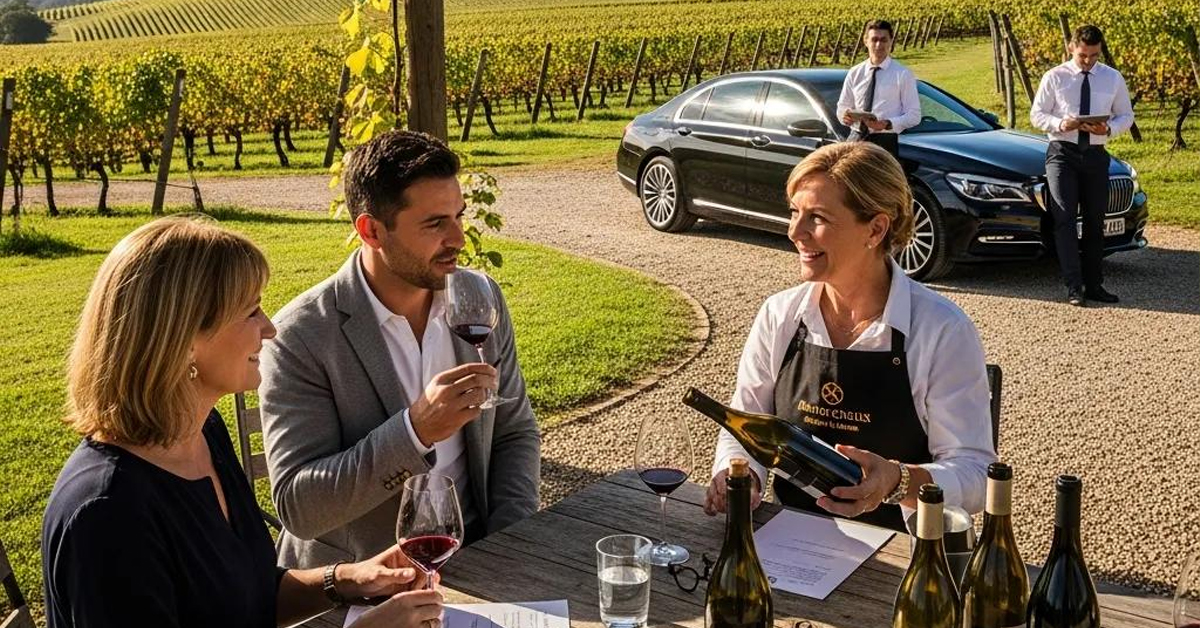
Choosing winery transportation requires more than comparing the first listed price. Each option changes privacy, timing, driving duties, and daily flexibility. A wine tour car service offers one reserved vehicle with a chauffeur. Other choices may suit different budgets, routes, or group sizes.
Transportation Option | Best For | Main Advantages | Main Tradeoffs |
Private chauffeured car | Couples and private dates | Reserved vehicle, privacy, flexible route | Hourly minimums may apply |
Self-driving | Visitors avoiding alcohol | Full route control, personal vehicle | Parking and driving duties |
Rideshare | One nearby winery | Simple booking, no rental process | Limited rural pickup coverage |
Rental car | Longer regional trips | Daily access, route freedom | Insurance, fuel, and driving |
Party bus | Large social groups | Group seating, shared music | Less privacy for couples |
Standard winery tour | First-time visitors | Fixed plan, possible guide | Shared seating and set stops |
Self-driving gives travelers complete control over routes and departure times. However, one person must avoid drinking and manage unfamiliar rural roads. Parking, traffic, and vehicle retrieval also remain their responsibility. This choice works best when tastings are limited or skipped entirely.
Rideshare pricing may appear lower for one short vineyard visit. Multiple stops create separate requests, possible delays, and changing fare levels. Rural coverage can weaken where drivers remain scarce or cellular signals fade. Travelers should never assume immediate pickup after their final tasting.
Rental cars provide privacy and flexible access throughout longer regional trips. Travelers still handle insurance choices, fuel, parking, and driving responsibility. Daily rates may exclude taxes, protection plans, or one-way charges. Rental value depends upon trip length and planned alcohol use.
Party buses suit larger celebrations wanting shared music and social space. Couples often pay for capacity they neither need nor prefer. A private sedan offers quieter travel, easier access, and greater discretion. Vehicle selection should reflect passenger count rather than appearance alone.
Standard winery tours may include fixed routes, shared seating, and set stops. Their advertised price can include tastings, guides, or scheduled admission. Chauffeur services usually provide private transportation without expert tasting instruction. Couples must compare actual inclusions before judging either option’s value.
No single transportation choice works perfectly for every winery visit. Compare total cost, drinking plans, distance, privacy, and pickup coverage. Confirm reservations and return arrangements before selecting the lowest quote. The right choice should match both practical needs and preferred atmosphere.
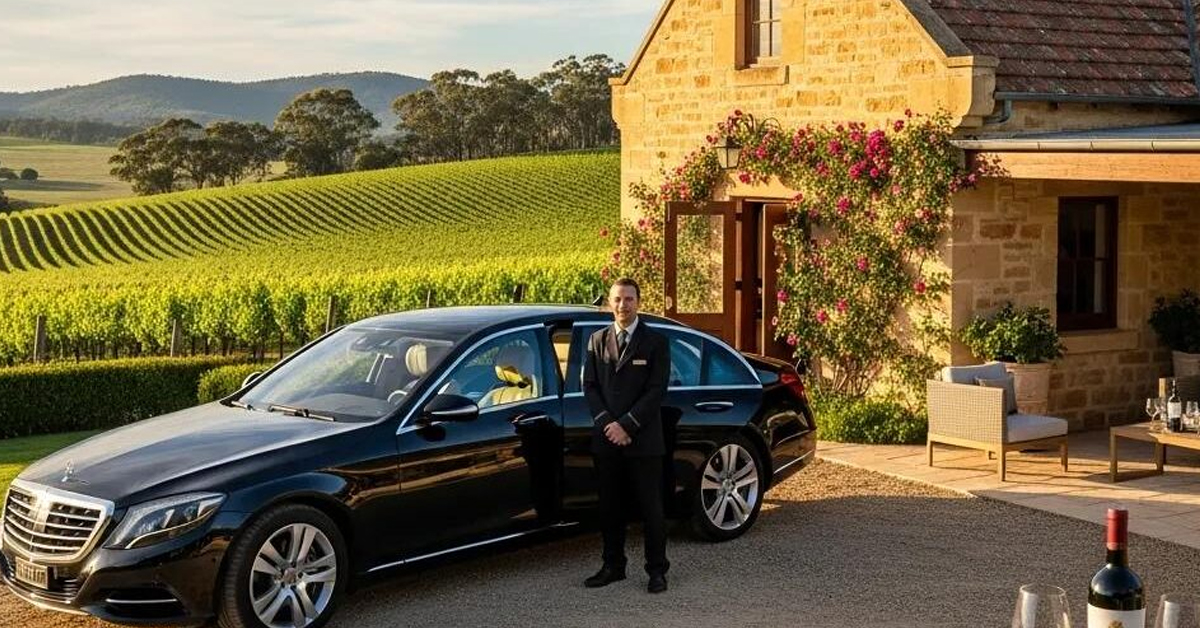
Begin planning by defining the trip before contacting transportation companies. Record passenger count, pickup address, date, wineries, and preferred return time. Add meal plans, mobility needs, and any celebration requests. These details help each company prepare an accurate service proposal.
The right vehicle should fit passengers, purchases, comfort, and road conditions. Couples usually need a sedan or SUV instead of larger limousines. Ask for the exact model, passenger capacity, and storage space. Confirm how substitutions work if the selected vehicle becomes unavailable.
A trustworthy wine tour car service should provide verifiable business details. Check operating authority, commercial insurance, physical contact information, and recent reviews. Look for comments discussing punctuality, cleanliness, communication, and billing. One perfect rating matters less than a consistent review pattern.
Ask whether the chauffeur remains nearby throughout every scheduled tasting. Learn how dispatch handles delays, route changes, or vehicle trouble. Also confirm whether drivers receive background checks and suitable training. These answers reveal how the company manages real travel problems.
Booking timelines depend upon season, location, vehicle choice, and weekday. Harvest weekends, holidays, and summer Saturdays often fill much earlier. Reserve several weeks ahead when plans involve popular tasting rooms. Proposals, larger vehicles, and special requests may require additional preparation.
Last-minute reservations can work when schedules and vehicle choices remain flexible. Contact several licensed providers and share complete trip details immediately. Never skip contract review because the desired date approaches quickly. Verbal promises should appear within the final written agreement.
Before paying any deposit, confirm these essential details:
Common booking mistakes begin with comparing only advertised hourly rates. Travelers sometimes overlook minimum hours, travel time, or service boundaries. Others assume the driver automatically reserves every tasting appointment. Clear written questions prevent these misunderstandings before any deposit changes hands.
Carefully review the final plan several days before the scheduled departure. Reconfirm addresses, passenger names, winery appointments, and pickup times. Share one primary contact number with dispatch and other travelers. Keep the chauffeur’s communication method available throughout the entire outing.
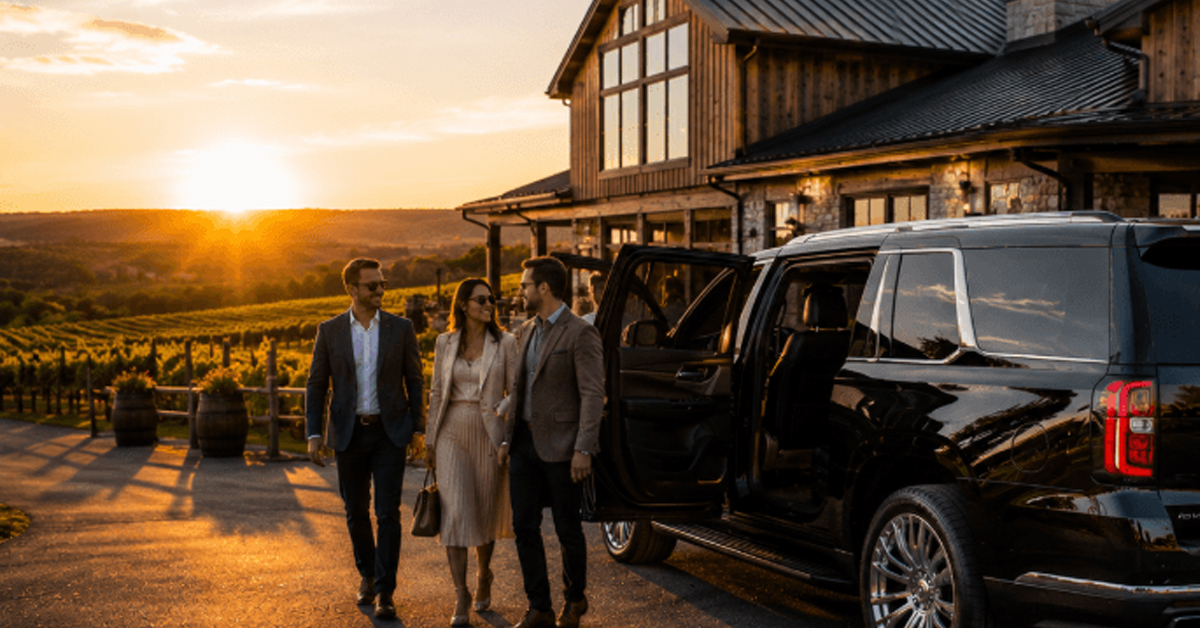
Luxury begins with consistency rather than decorative lights or polished photos. A premium wine tour car service combines clean vehicles with attentive support. Reservations, communication, and cabin details should match the confirmed agreement. True quality remains noticeable before, during, and after the journey.
A luxury sedan gives couples a calm cabin and refined appearance. Larger SUVs add easier entry, bottle space, and generous passenger room. Leather seating may provide comfort during longer drives between vineyards. Vehicle age matters less than cleanliness, care, and mechanical condition.
Climate control becomes important during summer heat and cooler harvest evenings. Individual temperature settings can help both passengers remain comfortable throughout travel. Tinted windows and quiet interiors may provide greater personal privacy. Riders should confirm these features for their assigned vehicle beforehand.
Useful cabin amenities can include charging ports, water, Wi-Fi, and music controls. Some vehicles offer glassware, coolers, partitions, or premium sound systems. Availability differs by provider, vehicle class, and local operating rules. Every requested feature should appear clearly within the booking record.
Champagne onboard may sound fitting for anniversaries or private celebrations. However, alcohol rules differ across states, vehicles, and passenger ages. Some companies prohibit opened bottles or require passenger-provided beverages. Couples should first request written approval before bringing any alcohol inside.
A private chauffeur shapes luxury through conduct instead of constant attention. Professional drivers communicate politely, respect silence, and protect personal conversations. They assist with doors and purchases when company policy permits. Good service feels observant without interrupting the couple’s time together.
VIP travelers often value discretion more than highly visible displays. Private pickup, limited passenger sharing, and careful communication protect personal plans. A quiet arrival may feel more suitable than public attention. Proposal details and guest identities should remain restricted to necessary staff.
Premium travel also depends upon thoughtful pacing across the itinerary. Smooth transitions allow guests to refresh between tastings and meals. Adequate storage protects coats, gifts, and properly packed wine purchases. A cluttered cabin quickly weakens even the most stylish vehicle.
Photography can confirm general appearance but cannot prove current condition. Request recent vehicle images and ask whether substitutions may occur. Reviews should mention cleanliness, driver conduct, comfort, and accurate billing. These details reveal more than broad claims about first-class treatment.
The finest experience pairs physical comfort with calm, capable service. Couples receive privacy, clear updates, suitable storage, and respectful assistance. No single amenity creates luxury throughout an entire winery day. Quality comes from many carefully confirmed details working well together.
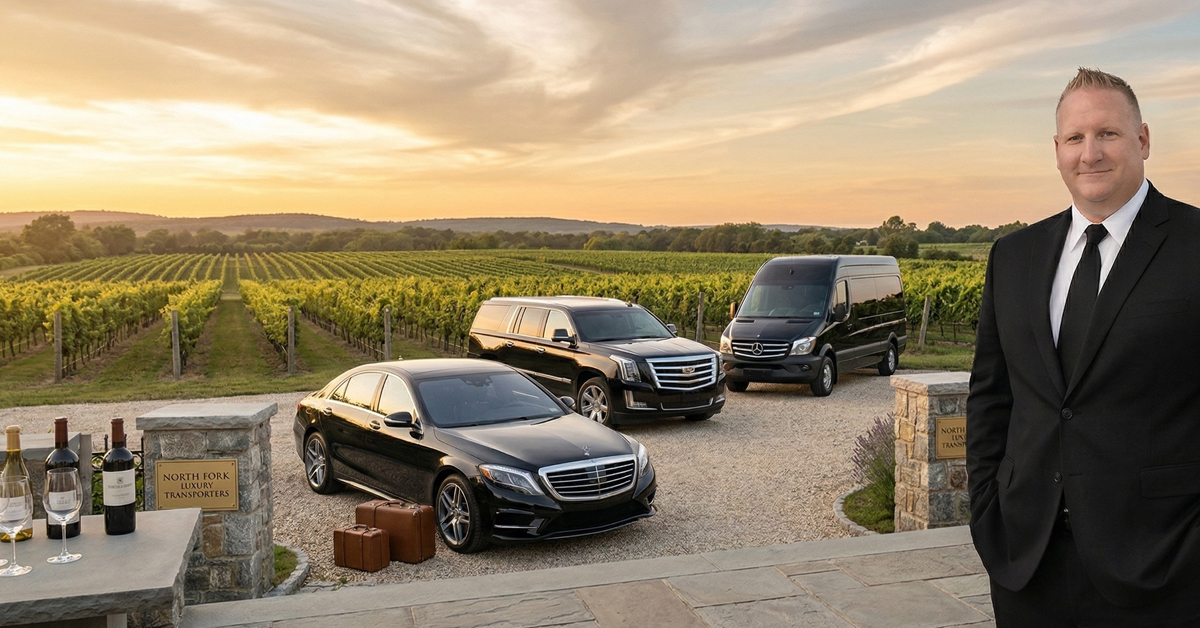
A rewarding winery day starts with fewer stops and better choices. Select vineyards matching both partners’ tastes, interests, and preferred settings. A wine tour car service can connect those reserved visits efficiently. The itinerary should protect enjoyment instead of chasing every nearby tasting room.
Two or three wineries usually provide a comfortable couples’ day trip. Place the farthest confirmed stop first when local traffic supports it. Then work toward lunch and the final vineyard destination. This order can shorten the return journey after several tastings.
Allow enough time for check-in, tasting, browsing, and wine purchases. Many experiences require sixty minutes, while tours may need longer. Add travel buffers between reservations instead of using perfect map estimates. Rural traffic, events, and crowded entrances can change arrival times.
Choose several different winery styles to keep every stop interesting. One visit might feature sparkling wine and scenic outdoor seating. Another could offer cellar history, food pairings, or small-production reds. Variety creates stronger memories than repeating similar tasting formats everywhere.
A planned lunch protects energy and slows the overall tasting pace. Confirm whether wineries sell meals, welcome picnics, or restrict outside food. Pack water and suitable snacks when venue rules permit them. Dietary needs should be discussed while making restaurant reservations.
Tasting room etiquette begins with punctual arrivals and respectful communication. Guests should follow seating instructions and listen during each wine presentation. Fragrances can interfere with aromas, so lighter scents work better. Phones should remain quiet when staff or nearby guests are speaking.
Visitors should never need to finish every sample they receive. Spittoons allow responsible tasting without disrespecting the winemaker or host. Water between pours helps refresh the palate and support moderation. Staff can explain unfamiliar tools or customs to first-time guests.
Thoughtful questions can make each tasting more useful and engaging. Ask about grapes, growing conditions, aging methods, or food pairings. Avoid pretending expertise or dismissing wines that differ from personal preferences. Tasting notes can help couples remember their favorite bottles later.
Before purchasing any wine, check available cabin space and temperature conditions. Ask winery staff about secure packaging for the ride home. Shipping rules and costs differ by winery and destination state. Never leave bottles exposed inside a hot parked vehicle.
The very best winery experience leaves space for discovery and conversation. Follow reservations, but avoid treating each stop like an assignment. Take photographs freely only where the vineyard permits them. A relaxed schedule makes flavors, stories, and surroundings easier to remember.
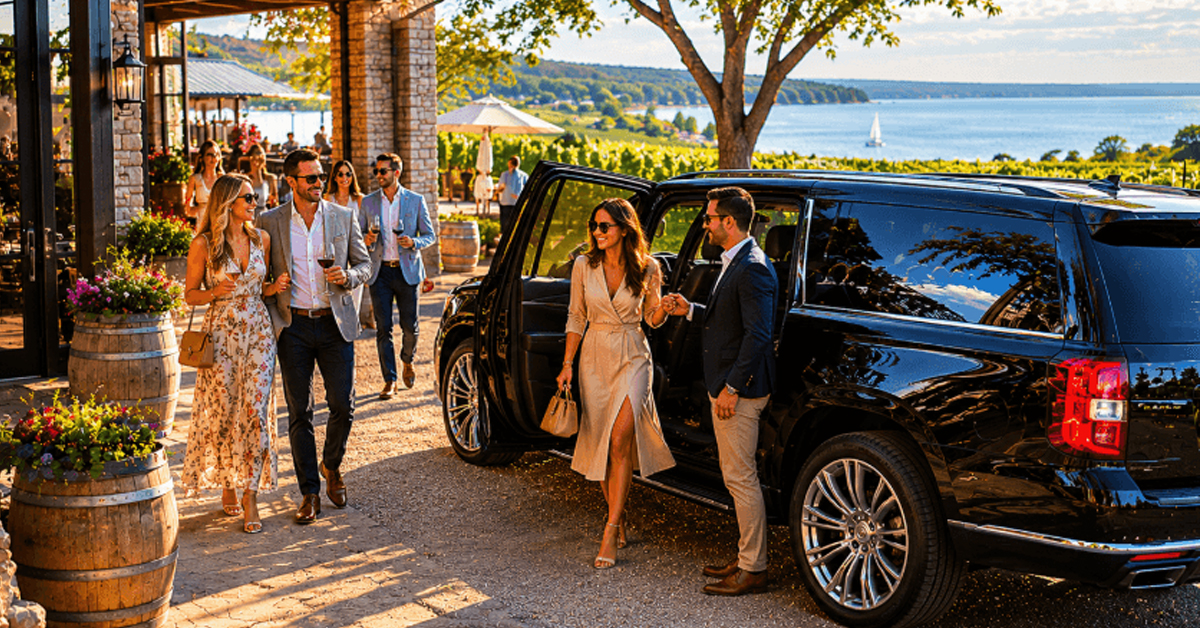
Technology is changing how couples research, reserve, and follow private transportation. A modern wine tour car service may combine booking tools with live updates. These systems can reduce routine confusion before scheduled vineyard visits. However, digital features cannot replace sound planning or trained staff.
Artificial intelligence can review travel times, stop order, and past traffic. It may suggest routes that reduce backtracking across distant wine regions. Dispatch teams should still check winery hours and local restrictions. Automated suggestions remain helpful tools rather than final operating decisions.
AI scheduling may also flag tight gaps between confirmed tasting reservations. That warning gives staff time to adjust pickups or routes. Yet software cannot predict every closure, event, or rural slowdown. Human review remains important when the itinerary contains special requests.
Real-time GPS tracking can show vehicle location and estimated arrival times. Couples may receive driver details or trip links before pickup. Dispatchers can also notice delays and communicate revised timing quickly. Estimated arrivals still change when traffic or road conditions shift.
Location sharing needs sensible privacy controls and clear user consent. Travelers should clearly know who sees their trip and the retention period. Secure tracking links should expire after transportation has finished. Companies must protect addresses, contact details, and personal travel patterns.
Online booking can make quotes and confirmations easier to review. A strong platform displays the itinerary, vehicle class, rate, and policies. Customers should save confirmation messages and inspect every entered address. A submitted form does not always mean transportation is confirmed.
Mobile apps may support payments, driver contact, receipts, and updates. Convenience matters, but guests still need an accessible dispatch number. Battery loss or weak vineyard signals can interrupt app access. Download key booking details before leaving areas with steady service.
Electric vehicles may offer quieter cabins and lower direct tailpipe emissions. Their suitability depends upon distance, weather, charging access, and vehicle range. Rural wine routes can have fewer public charging choices. Operators should plan energy needs without interrupting confirmed tasting schedules.
Future fleets may combine electric models with smarter dispatch and maintenance data. Better systems could match vehicles with distance, terrain, and passenger needs. Digital records may also improve billing clarity and service follow-up. Progress should remain measured through results rather than fashionable labels.
Couples should carefully choose technology that solves real travel needs. Useful tools provide clear booking records, timely updates, and secure communication. AI, GPS, and electric vehicles each offer possible benefits. Reliable people and careful planning still shape the final experience.
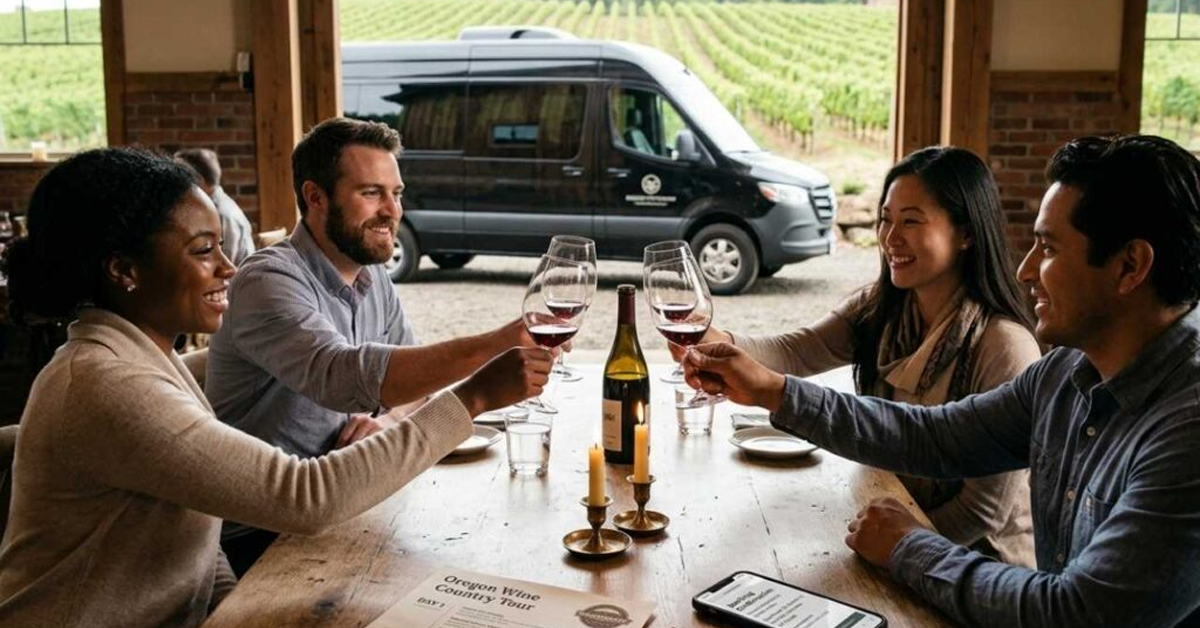
The best season depends upon weather, scenery, wine interests, and crowds. A wine tour car service can operate year-round where wineries remain open. Couples should first check regional harvest dates and tasting schedules. Climate and vineyard calendars differ widely across American wine regions.
Spring often brings fresh green vines, mild temperatures, and colorful landscapes. Tasting rooms may feel calmer before major summer travel begins. Rain can affect patios, vineyard walks, and rural road conditions. Pack light layers and confirm indoor options before departure.
Fall attracts visitors seeking harvest activity, mature vines, and changing colors. Some wineries may offer crush events or seasonal release programs. These experiences create demand for tastings and private vehicles. Availability varies because every vineyard controls its own harvest calendar.
Comparing early spring with fall requires more than choosing favorite scenery. Spring may provide quieter visits and easier reservation choices. Fall offers harvest energy but often brings greater weekend demand. Couples should select the mood that matches their preferred outing.
Summer often provides long daylight hours and broad outdoor tasting opportunities. Heat can make midday patios and parked vehicles uncomfortable. Earlier morning appointments may provide cooler air and softer photography light. Carry water, wear sun protection, and choose suitable clothing.
A summer winery road trip also needs careful distance and meal planning. Holiday summer weekends can increase traffic around popular wine destinations. Air-conditioned transportation offers welcome relief between warm outdoor visits. Confirm each venue’s shade, seating, and food policies beforehand.
Winter wine tours can feel quiet, personal, and pleasantly unhurried. Indoor tastings, fireplaces, and seasonal meals may suit romantic weekends. However, shorter winter daylight and poor weather can affect travel. Flexible stops help when outdoor areas or rural roads close.
Valentine’s Day and year-end holidays can create brief winter demand. Anniversary travel may also compete with private events or venue closures. Couples should check operating hours before selecting a winter date. A backup tasting room can protect plans during weather changes.
Weekdays often provide quieter rooms and more attention from tasting staff. Yet some smaller wineries open only from Thursday through Sunday. Saturdays offer wider access but usually attract larger crowds. Sunday plans should allow for earlier closing times where applicable.
Book sooner for harvest weekends, holidays, festivals, or limited vehicles. Less popular weekdays may allow shorter planning windows in some regions. Always confirm transportation and tasting bookings through separate written records. The right season balances access, comfort, scenery, and personal interests.
A wine tour car service usually covers private transportation and chauffeur time. Winery tastings, meals, admission, and special events may cost separately. Always review the written quote because provider packages differ widely. Hourly minimums, service areas, and planning support also vary.
Reserve several weeks ahead for harvest weekends, holidays, or popular vehicles. Weekday trips may allow shorter notice during quieter periods. Couples planning proposals or special tastings should book much earlier. Multiple vendors need enough time to confirm every requested detail.
Two or three nearby wineries usually create a comfortable full-day experience. The ideal number also depends upon travel distance, tasting length, lunch plans, and closing times. Adding too many stops can often cause rushed visits and missed reservations.
Final pricing depends upon vehicle class, total reserved hours, pickup distance, and season. Ask whether the quote includes travel time, fuel, tolls, gratuity, waiting, and overtime. Carefully compare final written totals instead of relying only on advertised hourly rates.
Policies depend upon local laws, licensing rules, and the transportation company’s terms. Some vehicles permit approved beverages, while others prohibit opened alcohol completely. Request written permission before bringing wine or champagne onboard. Continue making responsible choices during every scheduled winery tasting.